
Cat:RO膜
仕様とサイズ:ULP-4040; ULP-8040 逆浸透(RO)膜は、特に淡水化および精製プロセスにおける水ろ過システムにおける重要な成分です。薄い半透過性材料、通常は合成ポリマーフィルムで構成されているため、塩、ミネラル、その他の不純物などの汚染物質をブロックしながら、水分子が通...
詳細を参照してくださいService hotline: +86-13396595772


Direct conclusion: Yes, FRP tanks can be suitable for high-temperature water treatment, but only when engineered with the correct resin system and operated within strict thermal thresholds. Standard general-purpose FRP (based on orthophthalic polyester) fails above 60°C (140°F) due to hydrolysis and strength loss. However, with advanced resins like vinyl ester (up to 100–120°C) or phenolic (up to 150°C), FRP provides a durable, corrosion-resistant alternative for hot water applications such as thermal water storage, hot RO permeate, and industrial process water.
FRP (Fiber-Reinforced Plastic) tanks derive their thermal performance from the polymer matrix. While glass fibers retain strength at high temperatures, the resin determines the service temperature in wet environments. For hot water, two degradation mechanisms dominate: hydrolysis (chemical breakdown by water) and thermal softening (loss of mechanical rigidity). Above the heat deflection temperature (HDT), the resin becomes plastic, risking deformation under pressure.
Data from industry standards (ASTM D2583, ISO 2578) show that continuous exposure to water above 80°C (176°F) reduces flexural modulus of standard polyester by up to 45% within 6 months. For high-temperature water treatment (e.g., boiler feedwater, hot CIP cycles), selecting a resin with HDT > 20°C above operating temperature is a baseline rule. Therefore, conventional FRP is inadequate beyond 60°C for long-term service, but specialized FRP compositions excel in hot water environments up to 150°C.
The choice of resin is the critical factor. Below is a comparative overview of common resin families used in high-temperature water treatment, with continuous service temperatures (in water/wet conditions) and key engineering traits. No brand or company data included.
Resin TypeMax. Continuous Temp. (Water)Hydrolysis ResistanceTypical Applications in Hot WaterOrthophthalic Polyester50–60°C (122–140°F)Poor – rapid hydrolysisAmbient water storage, drainageIsophthalic Polyester65–75°C (149–167°F)Moderate – suitable for intermittent warm waterWarm process water (short cycles)Vinyl Ester (Standard)95–105°C (203–221°F)Excellent – high crosslink densityHot RO feed, thermal storage up to 95°CNovolac Vinyl Ester110–120°C (230–248°F)Superior – withstands aggressive hot waterHigh-temp process water, hot acidsPhenolic (Novolac)140–150°C (284–302°F)Very high – minimal degradationSteam condensate, hot water up to 150°CKey insight: For sustained operation above 85°C (185°F), vinyl ester or phenolic resins are mandatory. Epoxy-based FRP also offers thermal stability (up to 110°C in wet environments) but is costlier and less common in water treatment vessels.
Beyond resin selection, several design and operational parameters determine long-term success of FRP tanks in high-temperature water treatment.
Rapid temperature fluctuations induce differential expansion between resin and glass fibers, causing micro-cracking. Repeated cycles from 20°C to 90°C can reduce tank lifespan by nearly 40% compared to steady-state operation. Where thermal cycling is unavoidable, specify a flexible resin system (e.g., toughened vinyl ester) and incorporate gradual ramping protocols.
FRP strength declines with temperature. A tank rated for 10 bar at 25°C may only support 6.5 bar at 90°C (derating factor ~0.65 for polyester resins). Always consult derating curves: as a rule of thumb, reduce allowable working pressure by 1.5–2% per °C above 40°C when using standard vinyl ester. For high-temperature water treatment systems, design pressure should be calculated at operating temperature.
Hot water accelerates ester linkage cleavage in polyester resins, which causes surface degradation and styrene leaching. Advanced resins like novolac vinyl ester or phenolic exhibit hydrolysis rates below 0.1 mm/year at 100°C, providing reliable corrosion barriers. A corrosion liner (C-veil + resin-rich layer) is essential for any FRP tank handling water above 70°C.
Based on field performance and material science, follow these construction and operational practices to ensure safety and durability:
Use the following stepwise decision guide to assess feasibility of FRP tanks in your specific high-temperature water treatment scenario.
Final decision point: If all design criteria are met, FRP provides exceptional corrosion resistance and weight savings over metal alternatives for high-temperature water treatment. However, for temperatures exceeding 150°C (302°F) or superheated water, FRP is generally not recommended; alternative materials (e.g., lined alloy, graphite) become necessary.
Intermittent exposure may be tolerated for short durations (less than 1 hour per day) if the tank uses isophthalic polyester. However, repeated cycles will accelerate hydrolysis. For reliable performance with temperatures above 70°C even intermittently, upgrade to vinyl ester resin.
There is no universal maximum, but a well-designed vinyl ester FRP tank can safely operate up to 6–8 bar at 100°C when using a safety factor of 5:1 (based on short-term burst). Always request hydrotest at operating temperature. Example: A tank designed for 10 bar at 25°C typically derates to ~6 bar at 100°C.
Require resin manufacturer's HDT data in wet conditions (ASTM D648). Conduct coupon testing in actual process water at max temperature for 1000+ hours to measure retention of flexural strength. Industry acceptance criteria: retain >70% of initial strength after thermal aging.
Internal lining with heat-cured vinyl ester or epoxy coating can raise short-term temperature resistance by 10–15°C, but full structural upgrade is not feasible. For permanent high-temperature duty (>80°C), replacement with a high-temp FRP laminate is the only reliable solution.
Absolutely. Insulation reduces external temperature gradients, prevents condensation-induced stress, and minimizes thermal cycling. Proper insulation (min 50 mm closed-cell foam) can double the expected fatigue life of an FRP tank operating at 90°C.
Final takeaway: FRP tanks are a proven, durable solution for high-temperature water treatment within 60–150°C range, provided engineering controls (resin selection, derated pressure, thermal cycling limits) are strictly followed. For water treatment professionals, FRP offers a combination of corrosion resistance and structural design flexibility when matched correctly to service conditions.
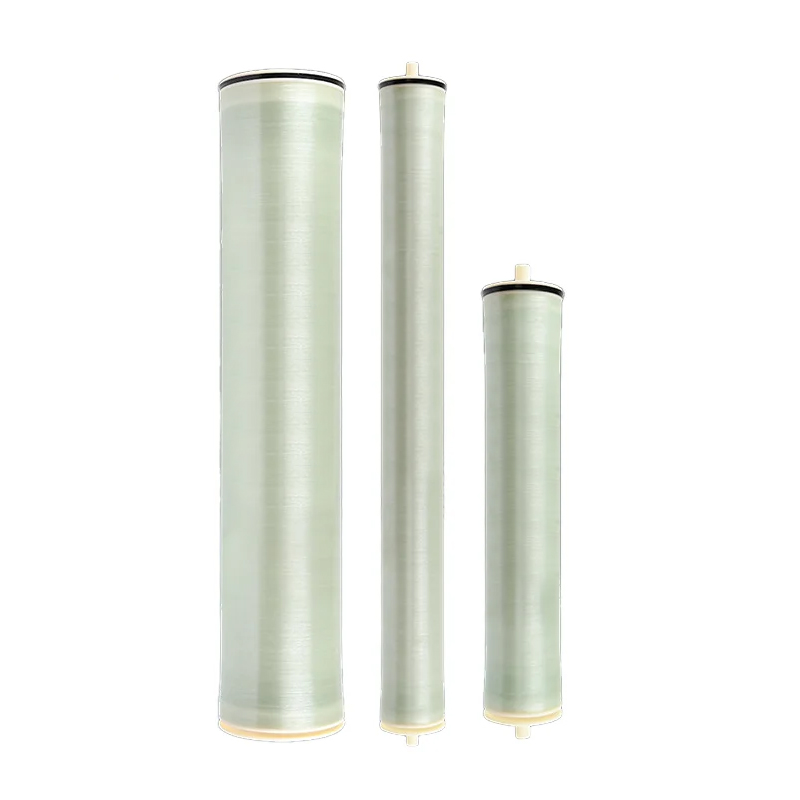
仕様とサイズ:ULP-4040; ULP-8040 逆浸透(RO)膜は、特に淡水化および精製プロセスにおける水ろ過システムにおける重要な成分です。薄い半透過性材料、通常は合成ポリマーフィルムで構成されているため、塩、ミネラル、その他の不純物などの汚染物質をブロックしながら、水分子が通...
詳細を参照してください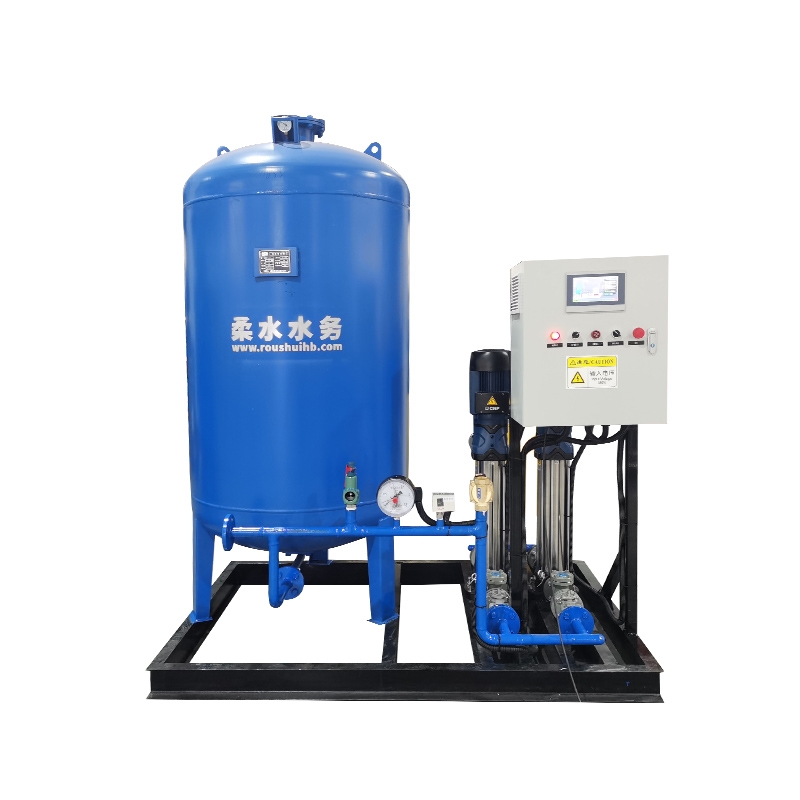
一定の圧力水補充装置は、水システム圧の安定性を維持するために使用されるデバイスです。主に、一定の水圧を維持する必要がある給水、エアコン、防火などのシステムで使用されています。その基本機能は、システム全体の水圧が常に低すぎたり高すぎたり、システム機器に損傷を引き起こすのを防ぐために、システム全体...
詳細を参照してください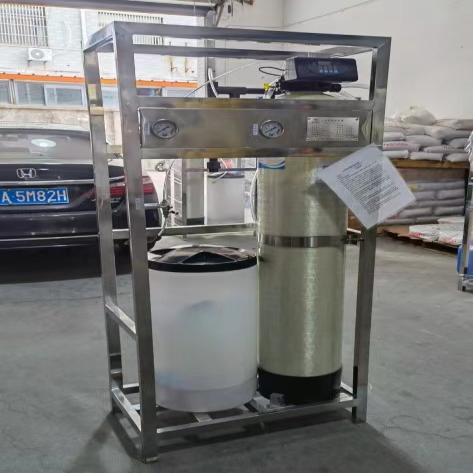
1トンのシングルタンクは、水処理システムの投与リンクで通常使用される水処理化学物質を保管および投与するためのデバイスです。このデバイスには、シンプルな設計と1トンの容量があり、これは中小サイズの水処理プロジェクトに適しています。化学物質を効果的に保管および供給して、水処理中に化学物質の正確で安...
詳細を参照してください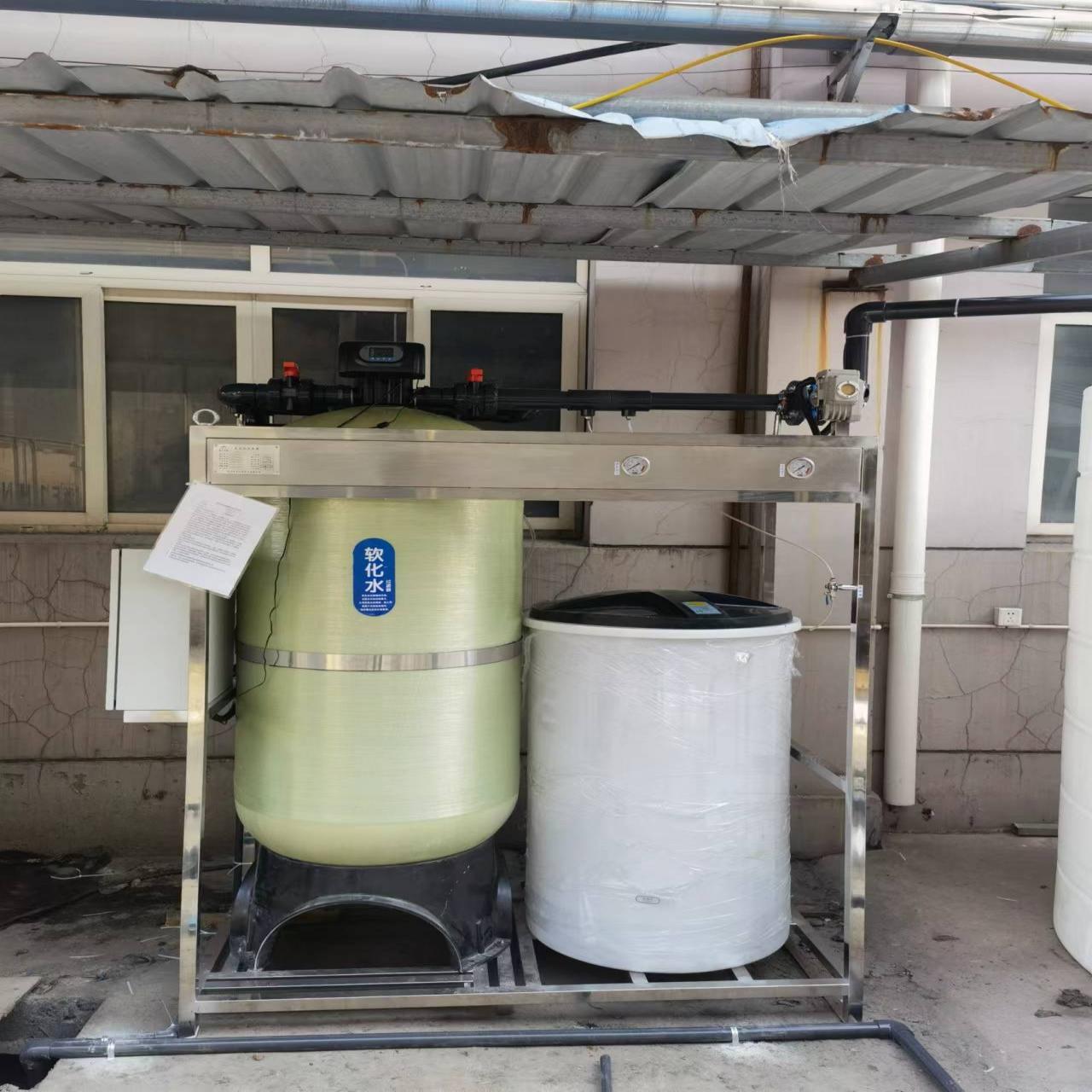
この10トンのシングルタンク水処理装置には、電気制御ボックスが装備されており、大規模な水処理のニーズに合わせて設計されています。大量の水源を効率的に処理できる単一のタンク構造を採用しており、さまざまな水質の調節と精製の機会に適しています。この機器には、組み込みの電気制御システムがあり、機器の状...
詳細を参照してください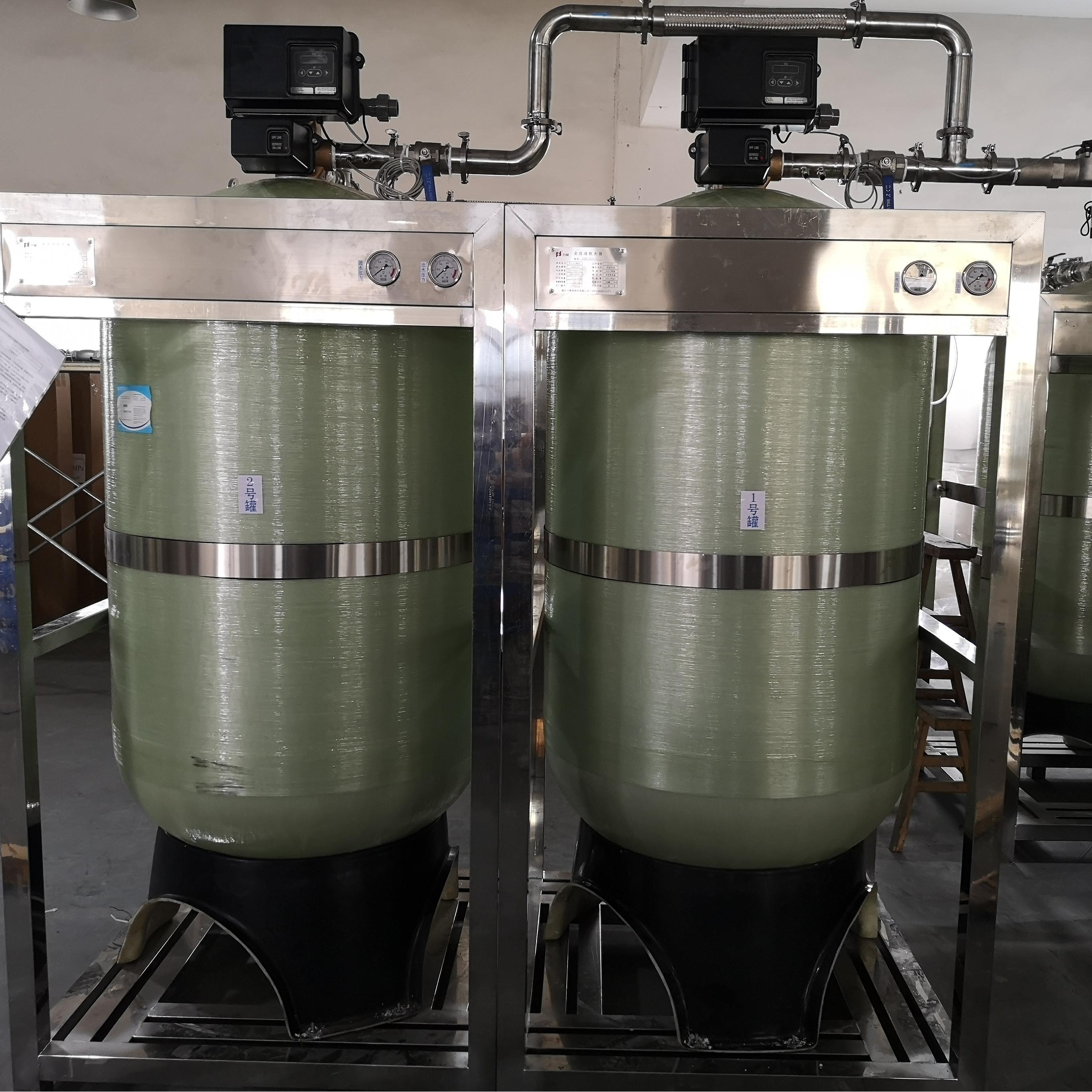
使用用の16トンのダブルバルブダブルタンク、スタンバイ水処理システムは、2つの独立した水処理タンクを備えた大規模な水処理装置であり、ダブルバルブ制御システムを介して交互に機能し、システム動作の効率と安定性を確保します。 1つのタンクが水質を処理している場合、もう1つのタンクはスタンバイまたは再...
詳細を参照してください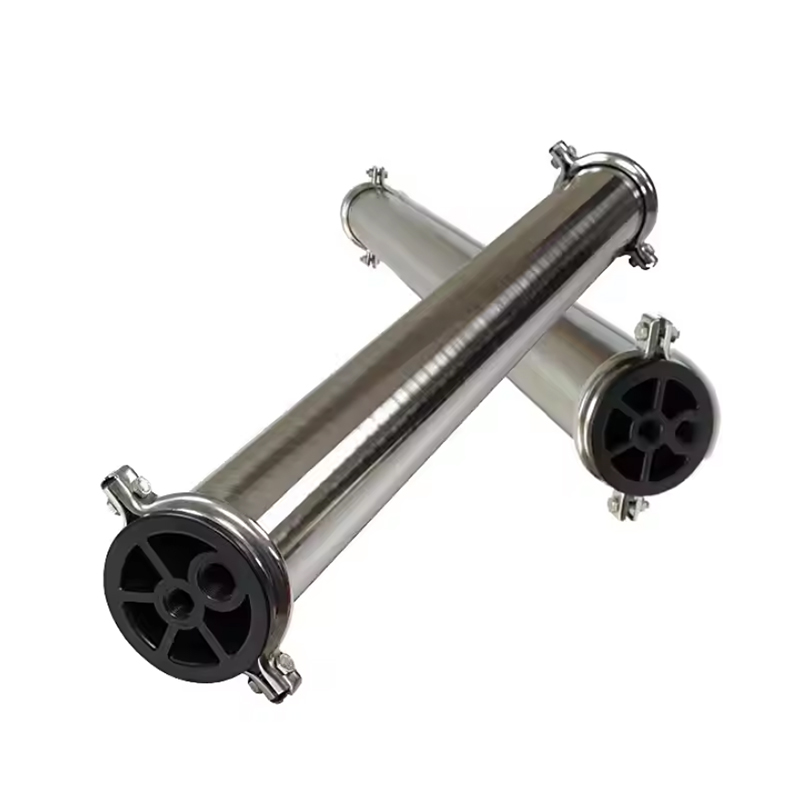
ステンレス鋼の逆浸透(RO)膜シェルは、特に耐久性、腐食抵抗、および寿命が重要な要因である産業および商業用途での水処理システムに不可欠な成分です。これらのシェルは、汚染物質と不純物を除去するために水をろ過するプロセスの中心であるRO膜にハウジングを提供します。 材料:特に過酷な環境で...
詳細を参照してください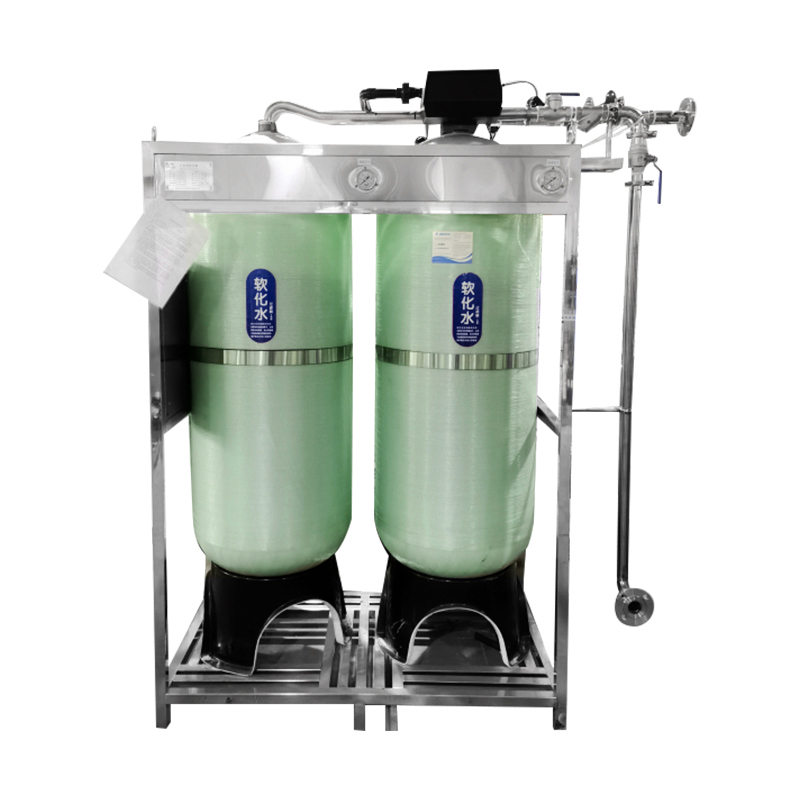
商業および産業の水軟化システムは、商業および工業地域向けに設計された非常に効率的な水処理ソリューションです。高度な技術を利用して、このシステムは、水からカルシウムやマグネシウムなどの硬い水分成分を効果的に除去し、それにより水の硬度を大幅に低下させることができます。そのコア成分は、完全に自動水柔...
詳細を参照してください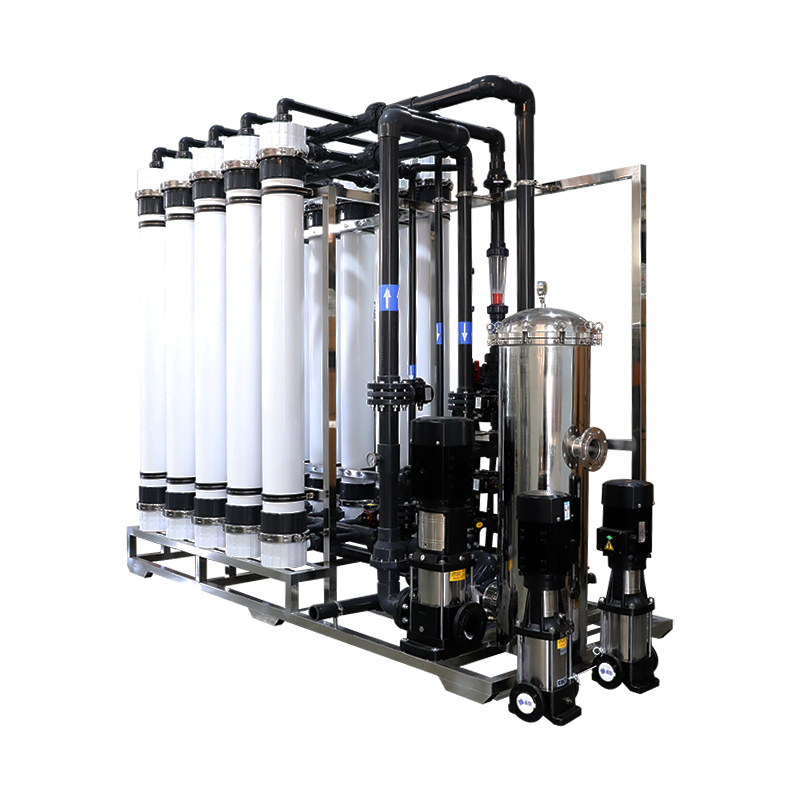
限外ろ過(UF)は、溶液を精製して分離できる膜分離技術です。限外ろ過膜システムは、フィルター培地として限外ろ過膜ワイヤを使用する溶液分離装置であり、膜の両側の圧力差が駆動力です。限外濾過膜は、溶媒(水分子など)、無機塩、および溶液中の小分子の有機物のみを通過させ、溶液中の疑わしい固形物、コロイ...
詳細を参照してください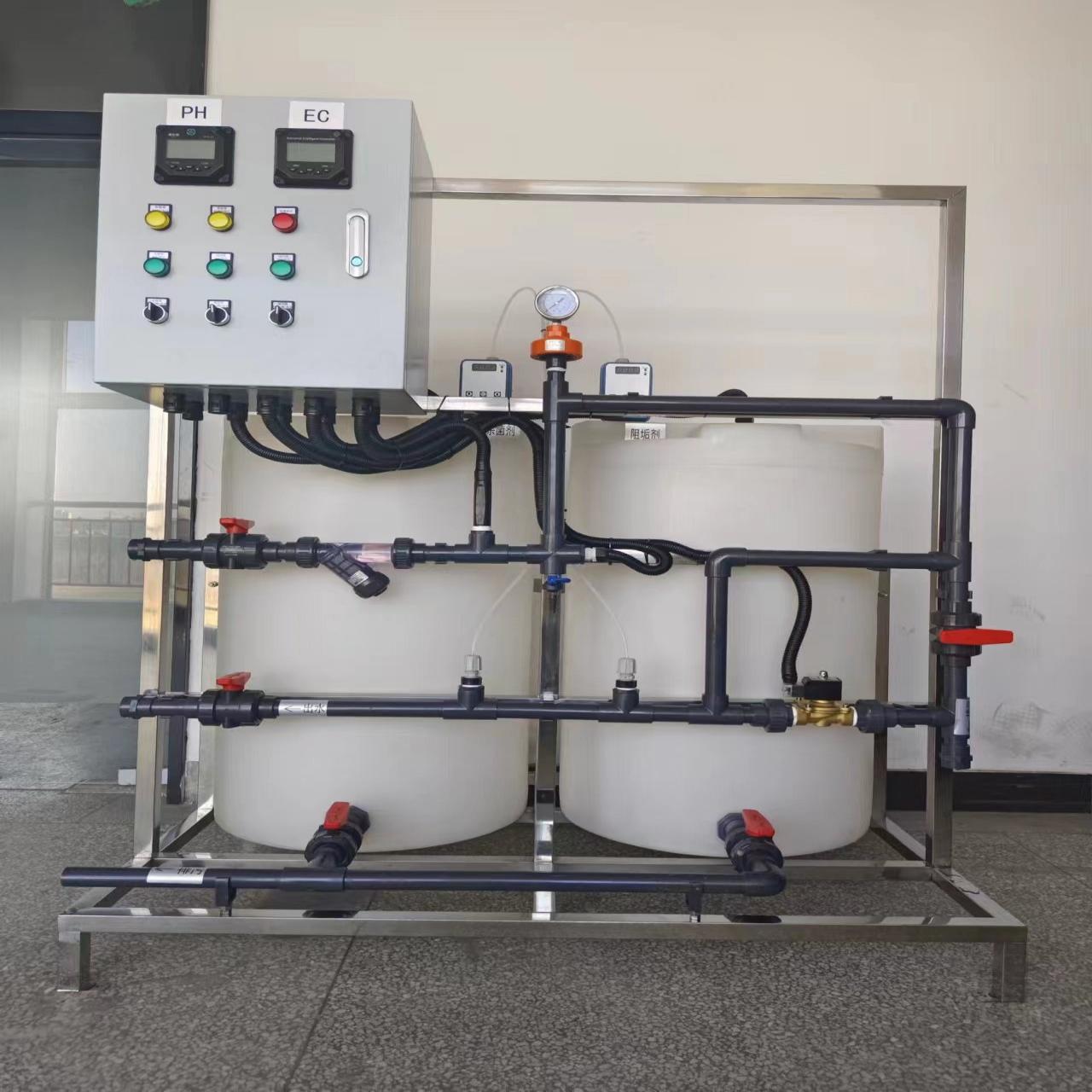
スケール予防と滅菌ダブルポンプダブルバレル循環水投与装置は、2つの独立した投与ポンプとエージェントストレージバレルを装備した統合された投与システムであり、それぞれスケール阻害剤とバクテリシドを追加するために使用され、各薬剤の独立した追加を確保して、相互汚染または薬剤反応を回避します。機器は、安...
詳細を参照してください
高流量3/4ポート RV水フィルターのKDF(運動分解フラキシオン)は、塩素、重金属、細菌、およびスケールを除去し、RVアドベンチャーのクリーンで安全な水を確保します。 LTは味を改善し、臭気をなくし、細菌の成長を阻害します。 RV水フィルターのGAC(粒状活性炭)は、塩素、揮発性...
詳細を参照してください
+86-13396595772
[email protected]
[email protected]
[email protected]
[email protected]
ルーム508、Xingyuncheng、no.15 Xingling Street、Xingqiao Street、Linping District、hangzhou City、Zhijiang州。
著作権 ©2024 Hangzhou Roushui Environmental Protection Technology Co.、Ltd。 無断転載を禁じます. カスタム産業用土木処理浄化装置メーカー
